Future in the past
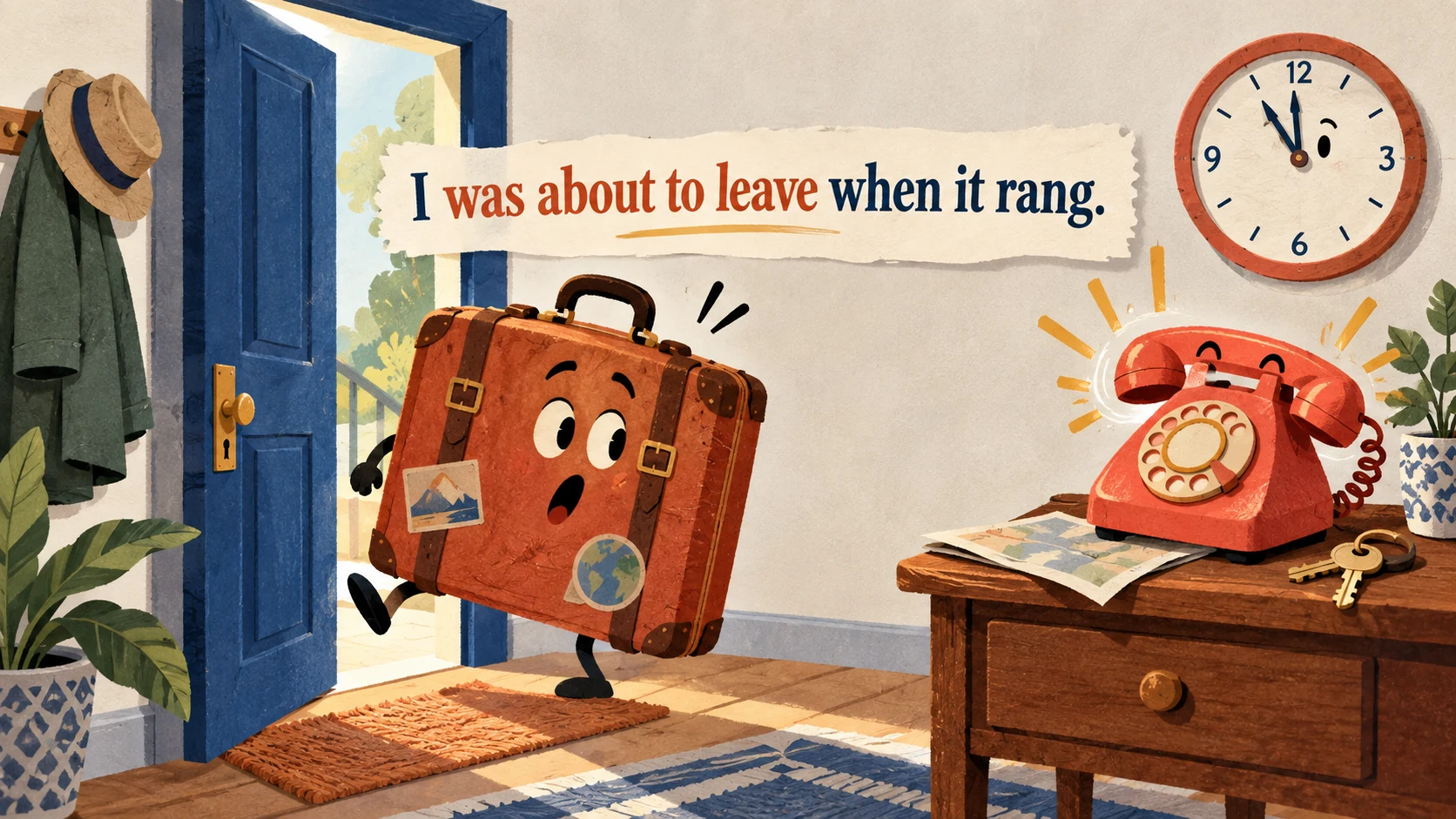
A future event does not have to be future from today. In On Monday, we knew the result would arrive on Thursday, the arrival was still in the future from Monday’s point of view, even though both days may now be over. English uses several forms to show how that past expectation, intention or arrangement looked at the time.
Would: a later event or a reported prediction
Would + infinitive is the usual backshifted form of will in reported speech:
Direct: “I will send the draft tomorrow,” Nia said.
Reported later: Nia said she would send the draft the next day.
It also helps tell a story from a past viewpoint: No one knew that the decision would change the company. Here would does not express a condition; it locates a later event relative to an earlier moment. In a narrative, would can also describe repeated past behaviour—Every summer, we would visit my aunt—so use context to distinguish a future-in-the-past from a habit.
Backshift is common, but not automatic. If the promise remains current or the speaker is reporting the words from the same time perspective, will may remain: She said she will call when she lands can present the call as still pending. The important point is the speaker’s viewpoint, not a mechanical rule that every will must become would.
Plans that may or may not happen
Was/were going to + verb describes an intention or an expectation based on evidence at a past time:
We were going to leave at six, but the meeting ran late.
The sky was dark; it was going to rain.
It often hints that the plan changed, but the form alone does not guarantee the event failed: I was going to call you, and then I remembered you were travelling makes the change explicit. Would does not usually carry this same sense of an earlier personal plan.
For an event on the point of happening, use was/were about to:
I was about to close the shop when the alarm rang.
The interruption commonly follows, though it is not essential: The doors were about to open simply means opening was imminent.
Schedules, arrangements and later outcomes
Was/were due to presents an expected or scheduled event: The train was due to leave at noon. It says what the timetable predicted, not necessarily what happened.
Was/were to + infinitive is more formal and can describe an official arrangement or a later event in a narrative:
The delegation was to meet the minister the following morning.
That small decision was to shape her career.
The second example looks back on an event and presents its later significance. The construction was/were to have + past participle often reports a planned event that did not happen:
The two leaders were to have met in June, but the visit was cancelled.
For a neutral explanation, were supposed to meet or had planned to meet may be clearer.
Keep the two time frames visible
A sentence about future in the past contains at least two reference points: the past moment when someone looked ahead, and the event expected after it. Words such as the following day, later that year and by the end of the month help readers place the event. Do not change these expressions automatically if the calendar relationship has not changed for your audience.
Plans, predictions and missed arrangements are not the same
These forms all point from a past viewpoint toward a later event, but they reveal different information about the speaker’s knowledge or intention:
She said the price would rise. — reported prediction
She was going to challenge the decision. — prior intention
She was about to challenge the decision. — action was imminent
She was due to challenge the decision. — schedule or expectation
She was to challenge the decision. — formal arrangement or later narrative outcome
A plan in was going to may be abandoned: I was going to ask for a refund, but the shop replaced the item immediately. An event due to happen can be delayed or cancelled. Was to often reports a formal arrangement; in retrospective narration it can foreshadow what followed: The two would meet again years later sounds like a narrative prediction, while The two were to meet again years later can sound more formal or fated.
Was/were to have + past participle indicates an expected or arranged event that did not take place: The ministers were to have met in June, but negotiations collapsed. If that nuance is too formal, say They were supposed to meet or They had planned to meet.
A viewpoint can be present even when the event is past now
Suppose a report says, In March, the agency announced that it would publish the figures in June. From the report’s present-day viewpoint, June may have passed. Would publish still accurately represents the future as it was seen in March. This is why reported timelines sometimes retain would even when all the events are now historical.
With a continuing promise or a fact that remains true, speakers may choose not to backshift: He said he will call when he lands presents the call as still pending. If the event is over, would call the next day is the usual past viewpoint. Time expressions such as tomorrow, the next day, later that week and by June should be chosen for the listener’s current reference point.
The past form can also carry aspect: She said she would be travelling in July presents an activity in progress at a future time viewed from the past. She said she would have finished by July presents completion before a deadline. These are future continuous and future perfect forms shifted to a past viewpoint; the context must clarify the reference date.
Sources
Try this structure in a short practice set with instant feedback.
Start practice